We’re putting more stuff into space than ever. Here’s what’s up there.
There’s a thin layer of human-made stuff enrobing the planet. A data dive into the anthroposphere.
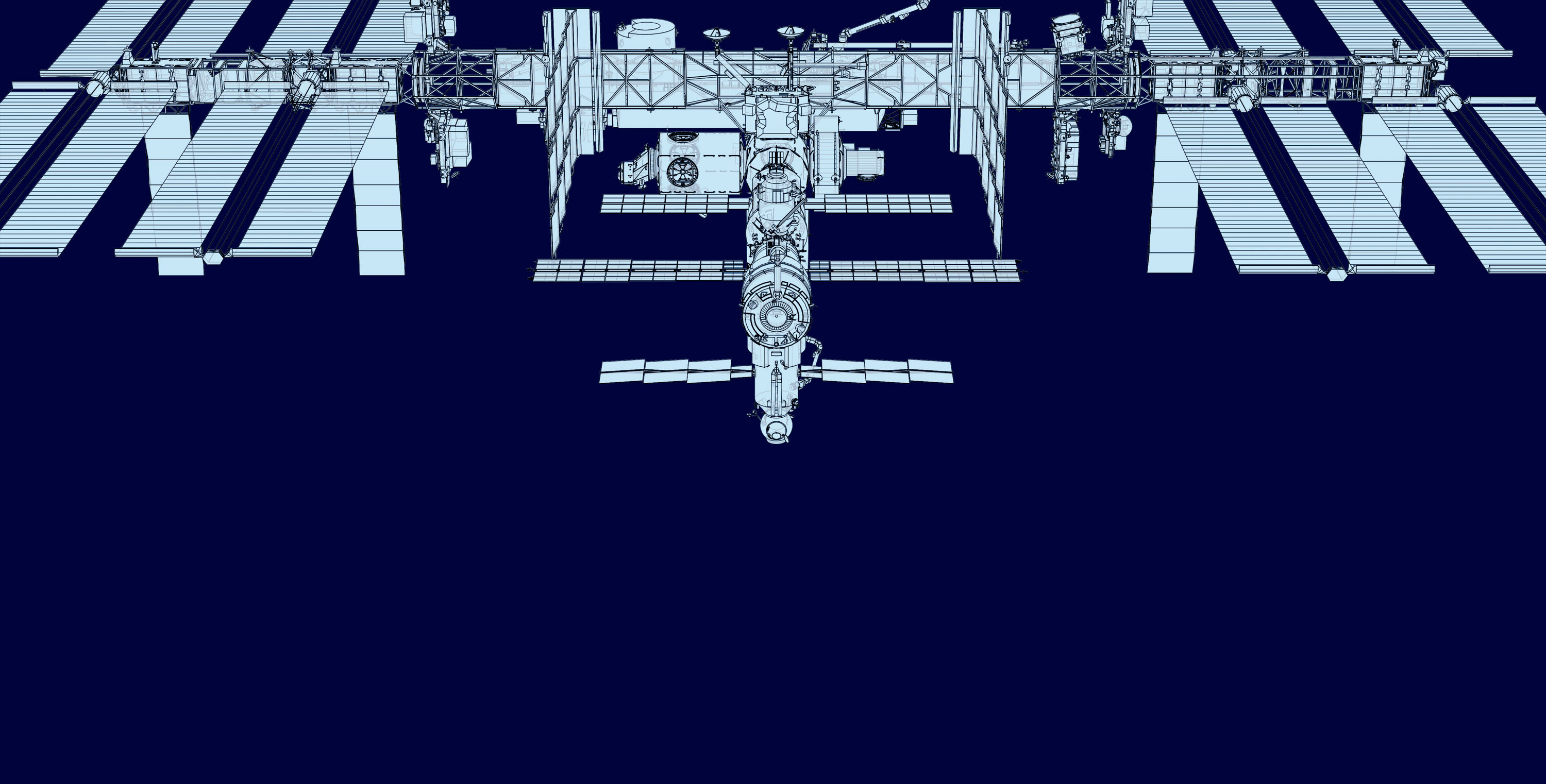
Earth’s a medium-size rock with some water on top, enveloped by gases that keep everything that lives here alive. Just at the edge of that envelope begins a thin but dense layer of human-built, high-tech stuff.
People started putting gear up there in 1957, and now it’s a real habit. Telescopes look up and out at the wild universe. Humans live in an orbiting metal bubble. In the last five years, the number of active satellites in space has increased from barely 3,000 to about 14,000—and climbing. The biggest use case: “megaconstellations” like Elon Musk’s Starlink internet service, which by itself has nearly 10,000 satellites in orbit.
And then there’s the garbage: 50,000 bits of debris larger than a baseball now orbit Earth, along with a million more objects bigger than a coin. If you enjoy things like weather forecasts and digital communication, hope they don’t start crashing into each other. Here’s a closer look at Earth’s ever-thickening shell of human-made matter—the anthroposphere.
Deep Dive
Space
America was winning the race to find Martian life. Then China jumped in.
The Mars Sample Return mission got off to a promising start, hunting for potentially humanity-changing space rocks. How did it fall off the rails?
NASA is building the first nuclear reactor-powered interplanetary spacecraft. How will it work?
The agency wants to fly it to Mars by the end of 2028. Experts say that’s … ambitious.
Four things we’d need to put data centers in space
SpaceX wants to put up to a million data centers in orbit. There are a few technological hurdles standing in the way.
Roundtables: The Next Era of Space Exploration
Watch a subscriber-only event exploring the progress and possibilities ahead in space exploration.
Stay connected
Get the latest updates from
MIT Technology Review
Discover special offers, top stories, upcoming events, and more.